
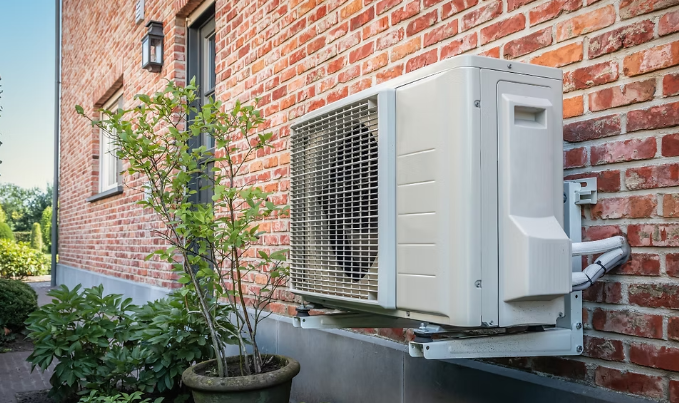
Combining Dehumidifiers with HVAC Systems for Whole-Building Moisture Control
Sticky air. Musty odors. Walls that feel wet when you touch them. If your building struggles with any of these issues, chances are humidity is to blame. Sure, your HVAC system works overtime to keep your building comfortable. But your AC isn’t designed to handle moisture on its own. Combine it with a whole-building dehumidifier, though, and you can transform the air in your building.
Why Combining HVAC with a Dehumidifier Makes Sense
Typically, when we talk about comfort inside a building we focus on temperature. Humidity, though, plays just as much of a factor in how comfortable people feel inside a building. When RH levels rise above 60%, the air starts to feel stuffy and hot, even if your thermostat is set to a normal temperature. Once it drops below 30%, air becomes too dry and causes its own problems.
Ideally, indoor RH levels stay between 35-60%. When levels remain in this range, building occupants stay comfortable, your building stays protected, and your HVAC system runs smoothly. The problem is most air conditioning systems struggle to maintain this range on their own. In fact, in humid climates like Houston or other coastal cities, AC units may not be able to keep up at all.
Here’s the thing about air conditioners: while they do remove moisture from the air as a byproduct of cooling it down, humidity levels rise as soon as the AC turns off between cooling cycles. And on mild days when the AC doesn’t kick on at all, humidity has free reign to grow unchecked. This is where a whole-building dehumidifier comes in.
How a Dehumidifier Works with Your HVAC System
Whole-building dehumidifiers connect directly to your HVAC ductwork. They draw in humid air from the building, pass it over cold coils, and trap the moisture in water droplets. The water drips into a drain pan and evaporated air flows back into your duct system. Since it runs completely independent from your air conditioner, a whole-building dehumidifier can reduce and maintain humidity even on days when the AC doesn’t turn on.
Plus, when you pair a dehumidifier with your HVAC system, that dehumidifier pushes dry, filtered air through the same duct network that your AC uses. This allows you to treat every room and every corner of your building with one complete system. No more having to buy and maintain portable units for each room. Instead, your HVAC system runs efficiently to manage temperature. And your dehumidifier does its part to keep moisture at bay.
To make things even easier on you, pair your whole-building dehumidifier with smart controls. With sensors installed throughout the building, a humidistat or smart thermostat can constantly monitor indoor RH levels. If humidity starts to creep up too high, your dehumidifier will automatically turn on until the sensors detect the humidity has fallen back into a comfortable range.
Benefits of HVAC and Dehumidifier Combo
Lower utility bills. If high humidity levels have you constantly bumping your thermostat down, you’re paying to keep your AC running longer than you need to. Plus, that extra running time puts more wear and tear on your AC equipment. Dehumidifiers eliminate extra moisture in the air, so your space feels cooler without constantly running the AC. Many building owners even find they can raise their thermostat by 2-3 degrees and keep comfort levels the same. This adds up to big savings on your monthly energy bills.
Extend the life of your HVAC equipment. Sure, your air conditioner can handle humidity. It’s designed to do that to a certain extent. However, if you live in an area where humidity is high more than half of the year, your AC unit is going to struggle. Not only will it have to work harder to keep your building cool and comfortable, but it will wear out sooner due to all that extra work. Your air conditioner isn’t designed to work dehumidifier duties and vice versa. By handling moisture with a whole-building dehumidifier, you take that strain off your AC so both units last longer.
Improve indoor air quality. Did you know high humidity contributes to mold growth, mildew, and dust mites? And it’s not just unpleasant to have these growing in your air and on your surfaces. Mold spores spread through the air and can cause allergy symptoms and asthma attacks. Dust mites also cause allergies and other health issues. By keeping humidity below 60%, you can prevent the growth of mold. Plus, a whole-building dehumidifier improves IAQ, so your occupants breathe easier.
Protect your building. When humidity levels get too high, moisture is damaging to your building. Wet floors, rusted fixtures, peeling paint, and rotting structural materials are all telltale signs of a humidity problem. And once that damage is done, it can cost you a pretty penny to fix. Using a whole-building dehumidifier protects your entire building from the inside out.
See also: How Voice Assistants Are Changing the Way We Interact With Technology
Types of Whole-Building Dehumidifiers
There are two common types of whole-building dehumidifiers: refrigerant-based or desiccant.
Refrigerant-based systems work much like a small air conditioner. Using a refrigerant cycle, these systems pull hot air from the building, cool their coils, and remove moisture from the air. These dehumidifiers are common in warm, humid climates. This is because they’re very efficient, easy to maintain, and simple to operate.
Desiccant systems, on the other hand, use absorbing materials to remove moisture from the air. They don’t rely on refrigerants to cool the air like traditional systems. Instead, they’re ideal for cooler environments where a refrigerant system would lose efficiency. You’ll usually find waterless/desiccant dehumidifiers in warehouses, cold storage facilities, and other commercial buildings with unique HVAC requirements.
For the average home or light commercial building, a refrigerant-based whole-building dehumidifier hooked up to your current HVAC system is your best bet.
What to Expect During Installation
During installation, a technician will connect your dehumidifier directly to your HVAC return and supply air ducts. If possible, your system should have its own dedicated return duct, so the dehumidifier pulls air directly from inside the building. Dry, treated air then flows into the supply plenum, mixing with conditioned air before it reaches each room.
Your technician will also hook up a drainage solution for your unit. Depending on your system, this may drain to a floor drain, condensate pump, or even an exterior wall. Don’t let this drainage hookup fool you, though. Dehumidifiers require proper drainage to function. Otherwise, water can back up in the system and cause the same moisture issues you’re trying to prevent.
Maintenance and operations are simple: most whole-building dehumidifiers require only one maintenance visit per year, much like your HVAC system. This is because there’s no need to empty and clean water buckets every few days like you do with portable dehumidifiers.
Should you invest in a whole-building dehumidifier for your home or building?
While whole-building dehumidifiers are more of an upfront investment than buying a portable unit, they end up saving you money in the long-run. Not only do you get better coverage and easy controls, but you’ll see a decrease in your monthly energy bills, put less strain on your HVAC system, and better protect your building from the inside out. If you live in a humid climate, a whole-building dehumidifier isn’t just a comfortable thing. It’s an investment in the longevity of your home.
Case Study: A Whole-Building Dehumidifier Increases Humidity Control
The office building was small with only one story and located near the coast. It started to develop humidity problems throughout the year. Employees complained about musty smells, sticky air, and windows sweating, especially during mild temperatures when the air conditioning wasn’t running very often.
An HVAC specialist was called and found that while the air conditioner could easily cool the building, it couldn’t maintain humidity levels. Indoor humidity was commonly above 65% which made the air feel clammy and caused mold to thrive.
The solution was to install a whole-building dehumidifier that connected to the HVAC ductwork. The dehumidifier was set to turn on when humidity sensors located throughout the building detected humidity levels above 40–50% RH.
Humidity levels evened out after just a couple weeks and employees noticed the difference. The dehumidifier now runs when needed even when AC isn’t running to cool the building. Employees are more comfortable without having to deal with stuffy indoor air and smells have dissipated. The building manager has also noticed that AC doesn’t run as often now which saves money on energy bills.
Did you know that you can pair a dehumidifier with your HVAC system to keep humidity levels consistent throughout your whole building?
Read more: EPA – https://southernclimatesolutions.com/case-studies/commercial-office-dehumidification/
HVAC & Humidity FAQs
Will my HVAC control humidity without a dehumidifier?
Yes and no. Your air conditioner actually does remove humidity while cooling your home. However, once the compressor turns off the humidity in your home can rise again. Since your AC won’t run as long during cooler temperatures the humidity can become too high for comfort.
What humidity level is considered comfortable for inside homes and buildings?
While humidity levels can rise above 60% and drop below 35% indoors, most health and building experts agree that the ideal range is between 35% – 60% RH. Keeping indoor humidity between 40–50% RH is ideal for comfort, indoor air quality, and preventing mold growth.
How do whole-building dehumidifiers connect to HVAC ductwork?
Whole-building dehumidifiers connect directly to your HVAC duct system. The dehumidifier extracts humid indoor air from your home and removes moisture from the air. It then blows the dehumidified air throughout your home using the same ductwork used by your heating and cooling system.
Will installing a whole-building dehumidifier help me save on energy bills?
Yes, in most cases. Since lower humidity levels can make your indoor air feel cooler you can raise your thermostat by a few degrees without your employees ever noticing. You’ll be saving energy without sacrificing comfort.
What type of buildings should use HVAC-integrated whole-building dehumidifiers?
Almost any building can benefit from whole-building dehumidification but homes, offices, schools, hotels, and commercial buildings in humid climates or near the coast benefit the most.
Do whole-building dehumidifiers require a lot of maintenance?
Not at all! It’s recommended you provide annual maintenance to your dehumidifier just like you would with your HVAC system. A quick inspection of filters, coils, and drain pans will keep your dehumidifier running smoothly.