

Best Middle Eastern Dishes to Try for First-Time Visitors
Middle Eastern food has a way of stopping you mid-bite. The spices, the textures, the way garlic and lemon juice show up in almost every dish, it feels familiar and completely new at the same time. For first-timers, however, knowing where to start can feel a little overwhelming.
We grew up cooking these dishes straight from our mother’s kitchen. And that passion is exactly what we built Zaytoons Restaurant around, bringing the same authentic Middle Eastern flavors from our kitchen to yours.
In this article, you’ll find the most delicious Middle Eastern dishes worth trying first, plus what makes each one special. First-timers and curious home cooks alike will walk away knowing exactly where to start, so keep reading.
Middle Eastern Dishes Every First-Timer Should Know
If you’ve never tried Middle Eastern food before, a few dishes will instantly make you wish you had started sooner. This part of the world has one of the richest food cultures around, and the most popular dishes are also the most approachable ones.
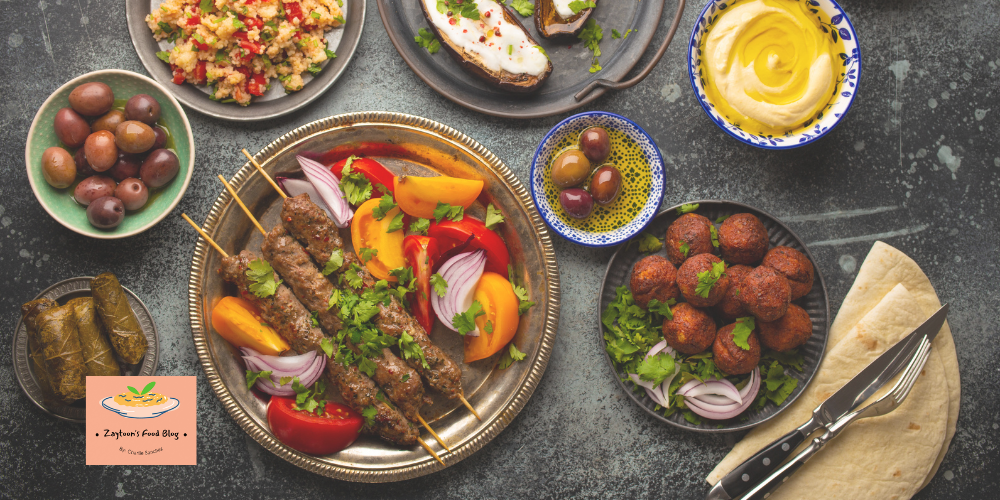
Among all the varieties, two places are worth starting from:
Classic Lebanese Food Worth Trying First
Lebanese cuisine is where most people fall in love with Middle Eastern cooking. Hummus, tabbouleh, shawarma. These are the dishes that show up at every family gathering, every corner spot in Los Angeles, and every late-night food truck in New York. They are also delicious, filling, and built around fresh vegetables, garlic, and lemon juice in ways that just work.
We grew up watching our mother layer these flavors every single night, which made them feel like home (honestly, shawarma alone could convert you into a lifelong fan).
Flavors from the Arabian Peninsula
The Arabian Peninsula brings a completely different energy to the table. Think spiced rice, slow-cooked lamb, and yellow rice dishes like kabsa. All built around Arabic spices and bold flavors that linger long after the meal is done. Cardamom, cumin, and saffron also show up in generous amounts here.
Many dishes from this region are served on a very large platter, meant for the whole family to share from one plate (communal eating at its peak).
Middle Eastern Cooking Basics: What Goes Into These Dishes
Middle Eastern cooking builds on a few key ingredients: pita bread, ground meat, warm spices, stuffed grape leaves, and rose water for sweets. Once you get familiar with these, the whole cuisine starts to feel a lot less foreign.
Here’s what more you’ll find at the base of most recipes:
Pita Bread, Ground Meat, and Stuffed Grape Leaves
Pita bread is the foundation of countless Middle Eastern meals. It works as a flat bread for scooping hummus, wrapping chicken, or soaking up a rich tomato sauce. Besides, ground beef and ground meat dishes like kofta are seasoned with Arabic spices and garlic, often delivering a deeply satisfying flavor without much fuss in the kitchen.
Beyond these, stuffed grape leaves, known as warak enab, are filled with ground meat, pine nuts, and spiced rice, then simmered in lemon juice and olive oil over low heat. Once you taste these, store-bought stuffed anything will feel like a real letdown.
Rose Water, Spices, and Authentic Lebanese Recipes
Authentic Lebanese recipes lean heavily on a spice mix called seven spices, which covers allspice, cinnamon, black pepper, and other spices that give Lebanese food its warm, layered flavor. We kept a jar of this blend on the counter at all times, and the smell alone takes you straight back to a home kitchen.
Furthermore, rose water shows up in Lebanese desserts like baklava and maamoul. Both are made with phyllo dough or wheat flour, sweetened with sugar syrup, and finished with crushed pistachios on top.
Occasionally, fresh herbs like fresh mint and parsley pull everything together in salads and cold dishes, adding brightness without overpowering the other flavors.
See also: Houston Car Accident Victims: Legal Options After a Hit-and-Run
Arabic Recipes That Are Easier to Make Than You Think
Most people assume Arabic recipes require hours in the kitchen, but that’s rarely the case. Some of the most memorable dishes in Middle Eastern cuisine come together faster than a weeknight pasta.
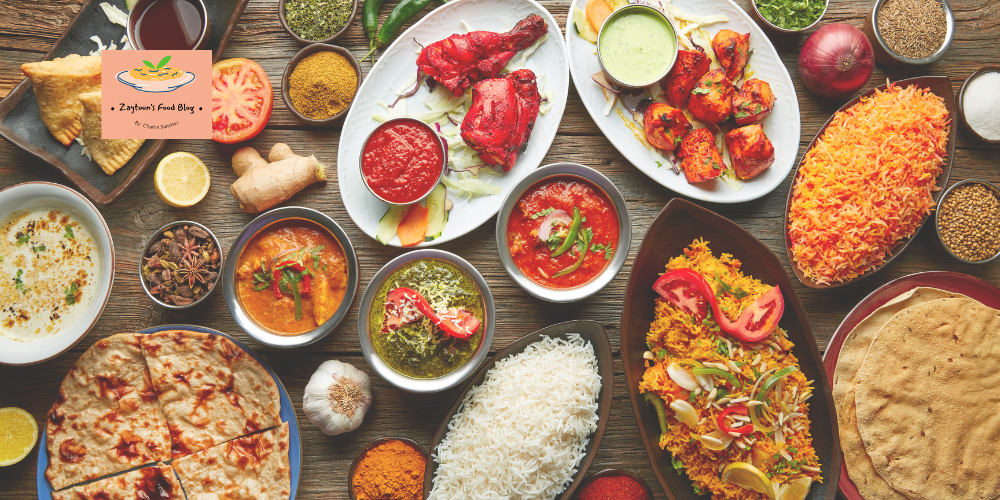
In fact, a lot of them were originally considered poor man’s food, meaning simple ingredients, honest cooking, and big flavor payoff.
Now, let’s have a look at the three popular dishes worth adding to your list:
- Falafel: In this dish, chickpeas, also called garbanzo beans, go into a food processor with garlic, red peppers, and fresh herbs, then get fried or baked until crispy. It is naturally gluten-free, which makes it a solid, easy lunch option for a lot of people. We first tried making falafel at home in our early twenties, and it came together faster than expected (we burned the first batch, but the second? Gone in ten minutes).
- Fattoush: One of the freshest Arabic recipes you’ll find. This Lebanese salad is built around fresh vegetables, juicy tomatoes, and torn flat bread, all tossed in a lemon juice and olive oil dressing. Some vegetables are eaten raw here, which keeps the dish light and bright.
- Tabbouleh: To prepare this, bulgur wheat, also called cracked wheat, gets mixed with chopped tomatoes, fresh mint, and a generous pour of olive oil and lemon juice. No food processor needed, no complicated steps, just honest Middle Eastern cooking at its simplest.
Quick tip: If you are only picking one to try first, go with falafel. Just a few roasted chickpeas as a topping, a little garlic sauce on the side, and you have one of the most popular dishes in Lebanese cuisine ready in under an hour.
Middle Eastern Cooking at Home: Where to Start
Starting with Middle Eastern cooking at home is one of the most rewarding ways to explore a new cuisine without leaving your kitchen. Pick one dish, like a simple hummus or a pita bread wrap, and build from there. Remember, confidence in the kitchen comes from repetition, not from trying to cook five new recipes at once.
Middle Eastern cooking rewards patience and layering, too. You taste as you go, adjust your spices, and let things develop slowly over low heat in a Dutch oven or a wide pan. That process is what separates a flat dish from one with real depth of flavor.
In practice, most main dishes and main meal recipes from North Africa to the Arabian Peninsula follow this same rhythm, slow, intentional, and deeply satisfying.
Before you cook anything, we recommend visiting a Middle Eastern grocery store. A good market, like those in Dearborn, Michigan, or L.A.’s Little Arabia, stocks everything you need, from airtight container spice jars to specialty ingredients like pine nuts. However, it can be difficult to match Middle Eastern spices and creamy sauce bases with grocery store substitutes, though it is still worth trying.
This way, Middle Eastern cuisine spans all the countries of the region, and each one brings a wide variety of ingredients worth exploring.
Your First Bite Into the Middle East Starts Here
Middle Eastern food is not as far from your kitchen as it may seem. From Lebanese cuisine built on fresh herbs and lemon juice to spiced rice dishes from the Arabian Peninsula, there is a wide variety of flavors worth exploring. The dishes are approachable, the ingredients are findable, and the meals are genuinely delicious.
Start small. Pick one recipe, grab your olive oil and spices, and give it a proper go. Most home cooks are surprised by how quickly Middle Eastern cooking starts to feel familiar once they get their hands into it.
When you are ready to go deeper into Middle Eastern dishes, recipes, and cooking tips, visit us at Zaytoons Restaurant. We share everything from authentic Lebanese recipes to Arabic recipes from across the Middle East, and we would love to help you find your next favorite meal.